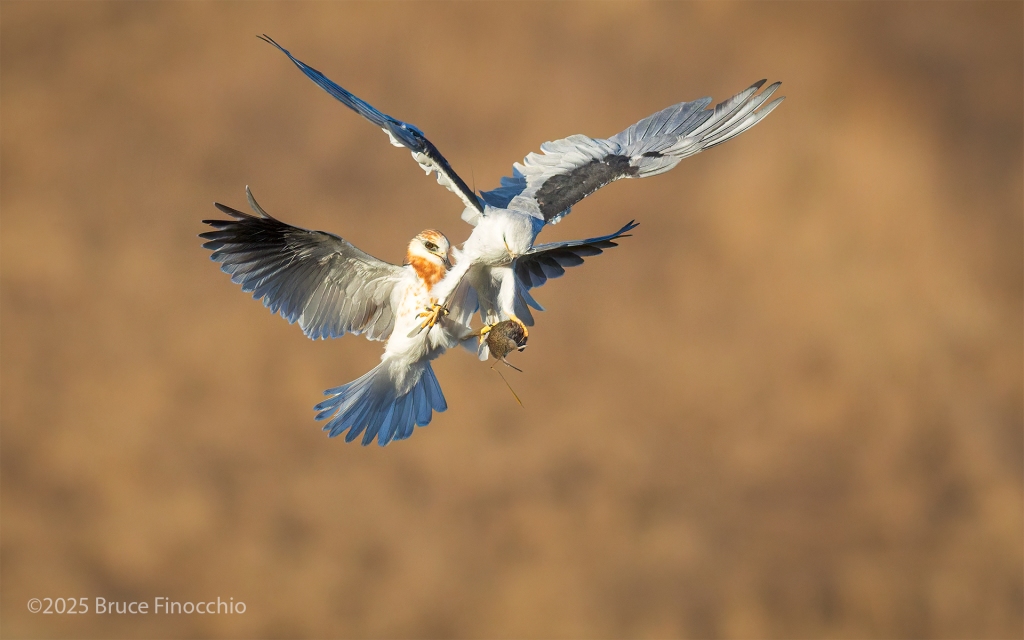
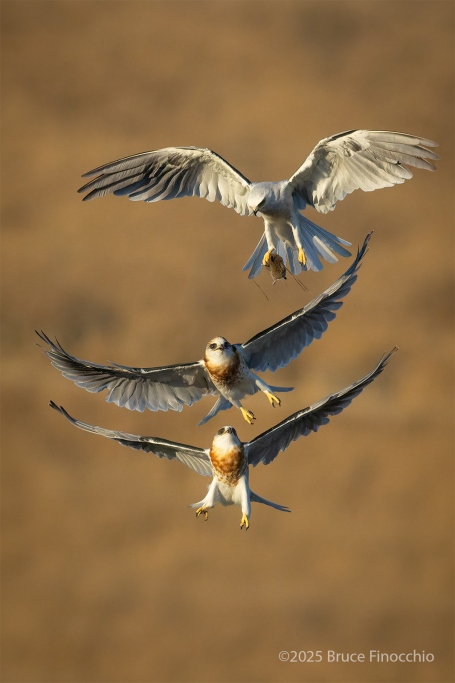
Juvenile White-tailed Kite Stretches Talon To Grab Vole From Parent
Subject: A Sacred Exchange in Nature
As I immerse myself in the ever-changing tapestry of nature, I am reminded of the profound connections that exist within the wild. Each moment captured through my lens is a doorway to the essence of life, inviting us to reconnect with the spirit of our Mother Earth.
Today, I am excited to share my latest piece, “Juvenile Kite Reaching Out For Vole In Exchange With Parent.” This artwork beautifully encapsulates the grace and action of a young kite in flight, embodying the delicate balance of life and the nurturing bonds that exist in the natural world. It serves as a poignant reminder of the sacred exchanges that occur daily, urging us to pause and appreciate the surrounding wonder.
In our fast-paced lives, it’s easy to overlook these fleeting moments. Through my photography, I strive to evoke that child-like sense of amazement, encouraging you to breathe deeply and truly see the world. Each piece is infused with love and respect for all living beings, aiming to stir your soul and inspire a sense of harmony and unity.
I invite you to explore this new artwork and let it resonate with your own experiences. May it remind you of the beauty that surrounds us and the importance of preserving these wild places for future generations.
Thank you for being a part of this journey with me. Your support nurtures my passion and helps protect the sacredness of the life we all cherish.
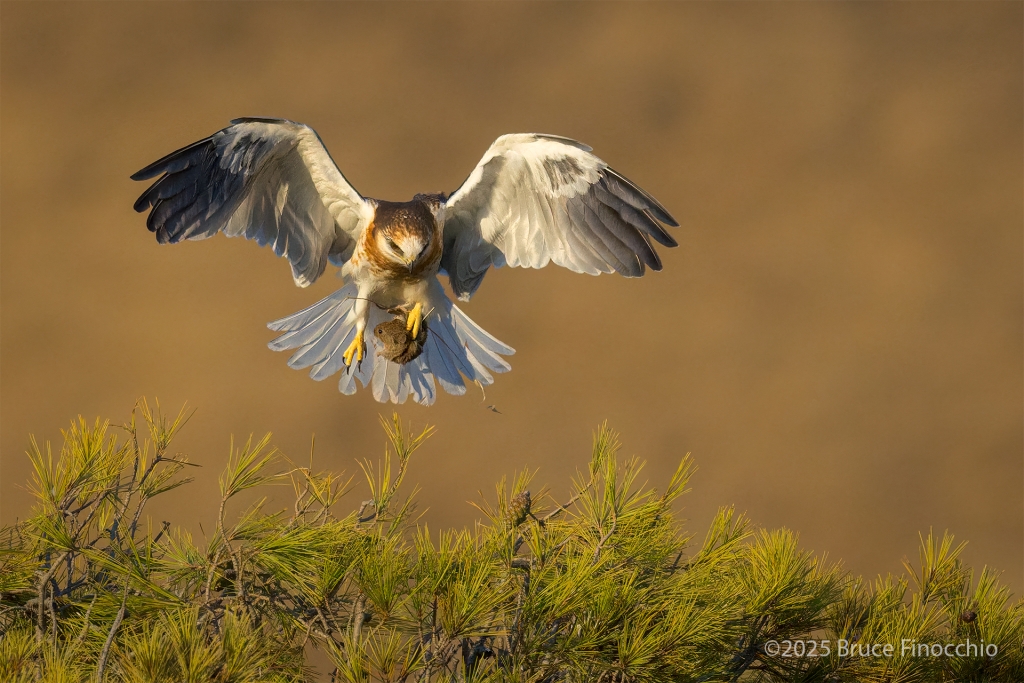
A Juvenile White-tailed Kite With Vole In Claw Brings It To The Nest To Feed
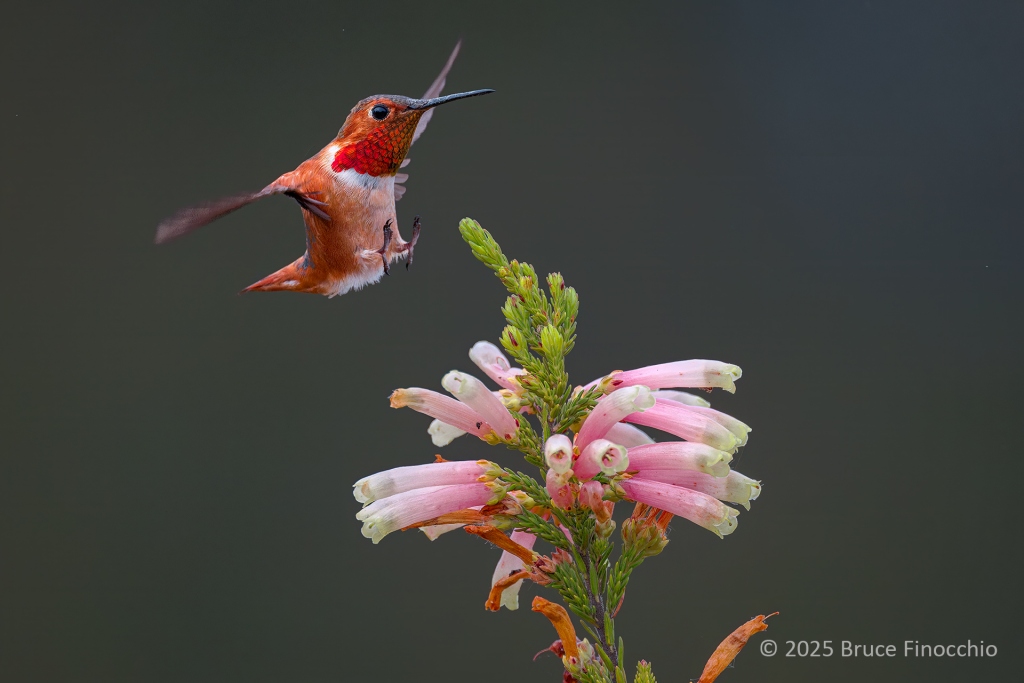
With Wings Back And Feet Out, Male Allen's Hummingbird Prepares To Land On A Cape Heath Blossom
The Delicate Dance of Male Allen’s Hummingbirds
In the delicate dance of nature, few moments capture the essence of beauty quite like the fleeting presence of a hummingbird in flight. With its iridescent feathers and rapid wingbeats, this enchanting creature embodies the spirit of wonder that I strive to share through my work at Dream Catcher Images.
As I gazed upon this vibrant scene—a hummingbird gracefully landing on a cluster of soft pink flowers—I felt a profound connection to the sacredness of life. Each detail, from the intricate cape heath petals to the shimmering gorget plumage, tells a story of harmony and balance in the natural world. It’s a reminder that beauty often lives in the simplest of moments, waiting for us to pause and appreciate it, even if it happens in the blink of an eye.
In capturing this image, I aimed to open a doorway for you, the viewer, to experience that child-like wonderment I hold dear. The hummingbird symbolizes joy and resilience and invites us to reconnect with our spirits and the earth that nurtures us. It flits from flower to flower, a living testament to the interconnectedness of all living beings.
As you take in this moment, I encourage you to reflect on the sacredness surrounding us. Each encounter with nature is unique, a fleeting glimpse into the mystery of life. Let this image stir your soul and inspire a belief in preserving our wild places and the creatures that inhabit them.
As another Earth Day passes, let’s celebrate the beauty of our world and the pivotal moments that remind us of our place within it. Embrace the magic, and may it lead you to a deeper understanding of the harmony that exists in nature and within ourselves.
In addition, I have included other hummingbird images taken at the UCSC Arboretum as a collage to highlight how each moment of life is so special and unique.
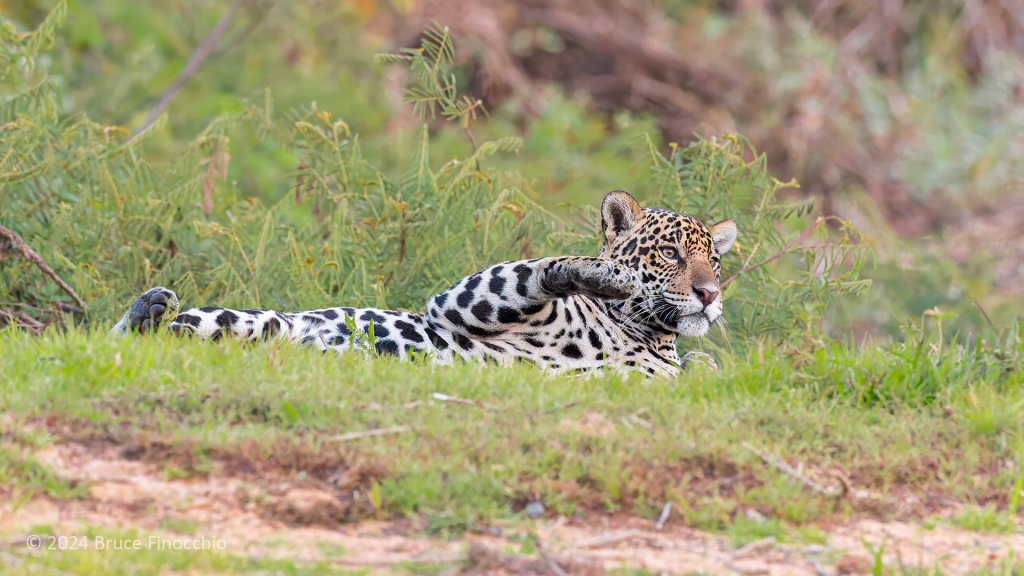
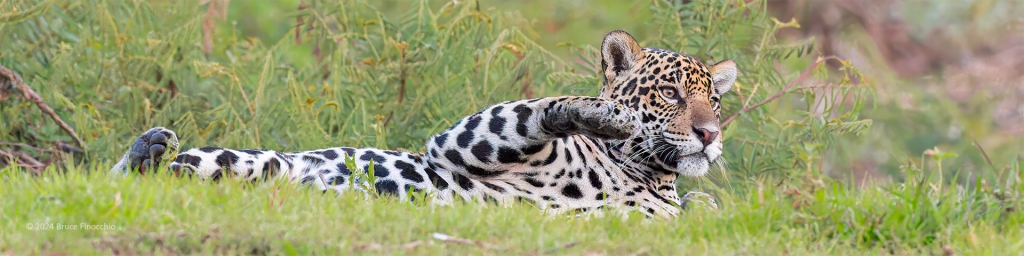
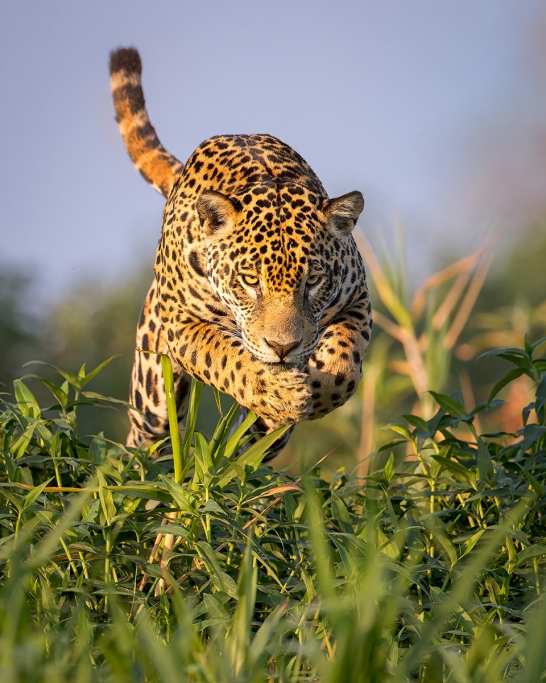
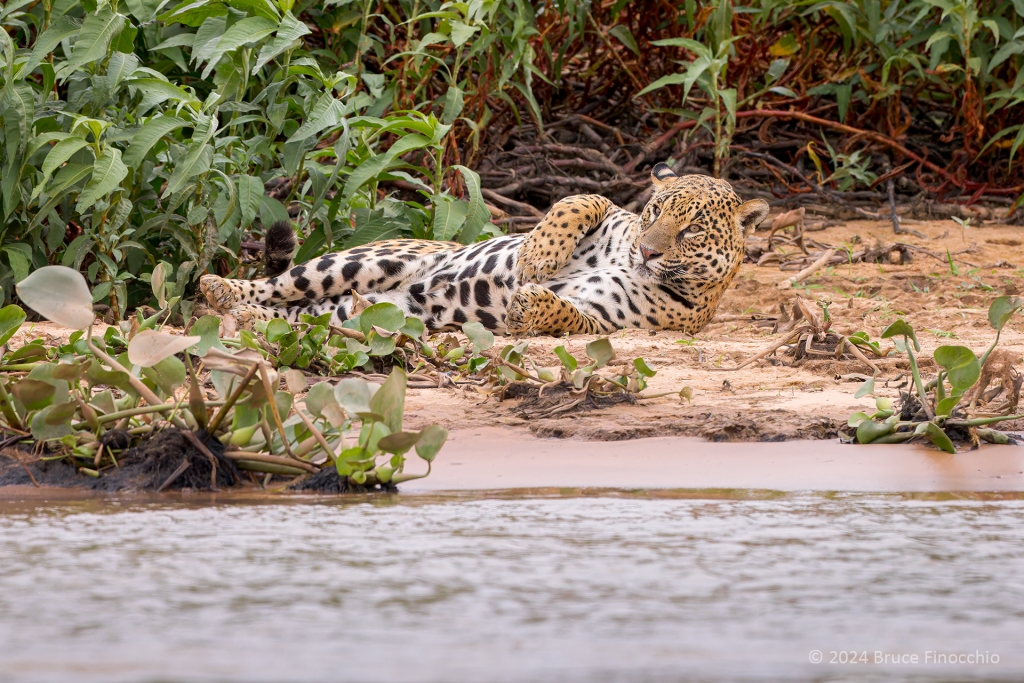
In the embrace of nature, where the vibrant greens of grass meet the fading light of a day’s end, a moment of pure magic unfolds. Here lies a female jaguar, alert and poised, her raised paw a testament to grace and strength. This captivating image invites us to pause, breathe, and reconnect with the sacred moments that nature so generously offers.
As I observe this magnificent creature, I am reminded of the delicate balance that sustains our ecosystems. The jaguar embodies the wild’s untamed spirit with its striking coat and watchful gaze. She rests not merely as a predator but as a guardian of her realm, reminding us of the importance of preserving these majestic beings and their habitats.
As an artist, I strive to open doorways to these enchanting experiences. Each photograph I capture is more than just an image; it’s a portal into the soul of nature. It beckons us to experience a child-like wonderment, to feel the pulse of life that courses through every blade of grass and every creature that roams the earth.
This alert yet serene jaguar embodies a moment of tranquility amidst the chaos of life. She invites us to reflect on our connection to the natural world. Are we taking the time to appreciate the beauty that surrounds us? Are we nurturing our spirit and allowing ourselves to be enveloped by the awe of existence?
Through my work at Dream Catcher Images, I aim to instill a sense of harmony and oneness with nature. Each click of the shutter reminds us we are all part of a more remarkable tapestry woven together by the threads of life. The sacredness of this moment, captured in time, serves as a gentle nudge to protect and cherish our wild places and the creatures that inhabit them.
Let this image of the alert female jaguar inspire you to seek out your sacred moments in nature. Embrace the stillness, listen to the whispers of the wild, and allow your spirit to reconnect with the earth. Together, we can foster a deeper appreciation for the beauty surrounding us and work towards preserving it for generations.
“To me, cruelty is the worst of human sins.” ~ Jane Goodall.
“Change happens by listening and then starting a dialogue with the people who are doing something you don’t believe is right.” ~ Jane Goodall.
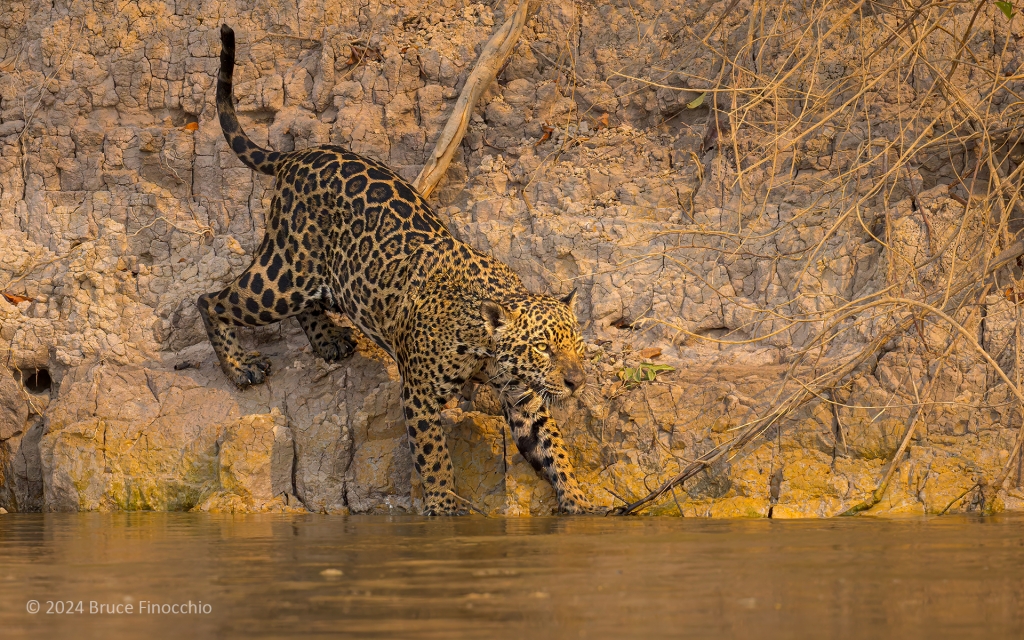
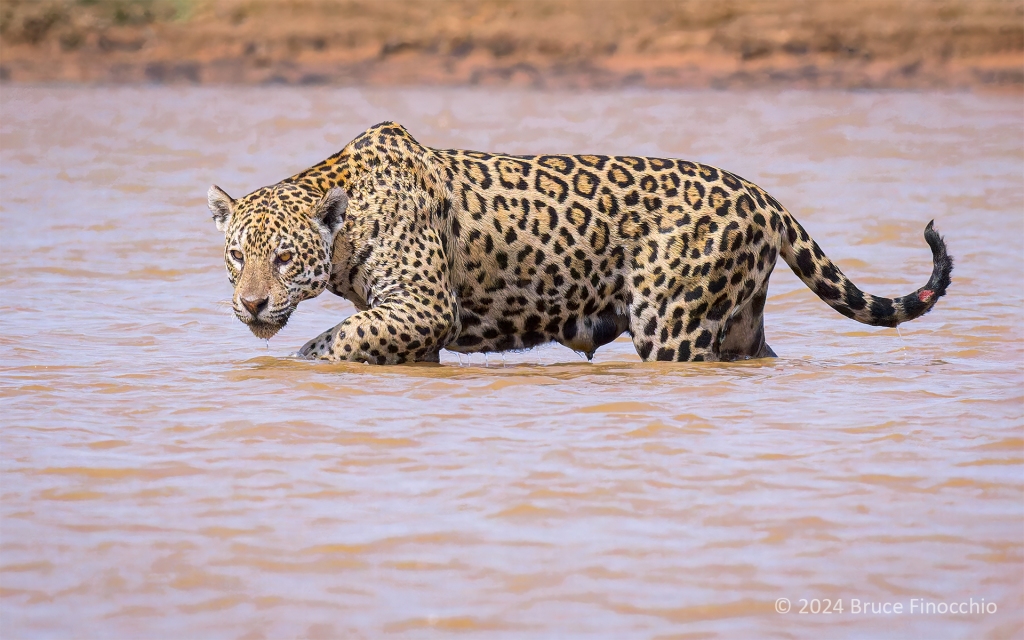
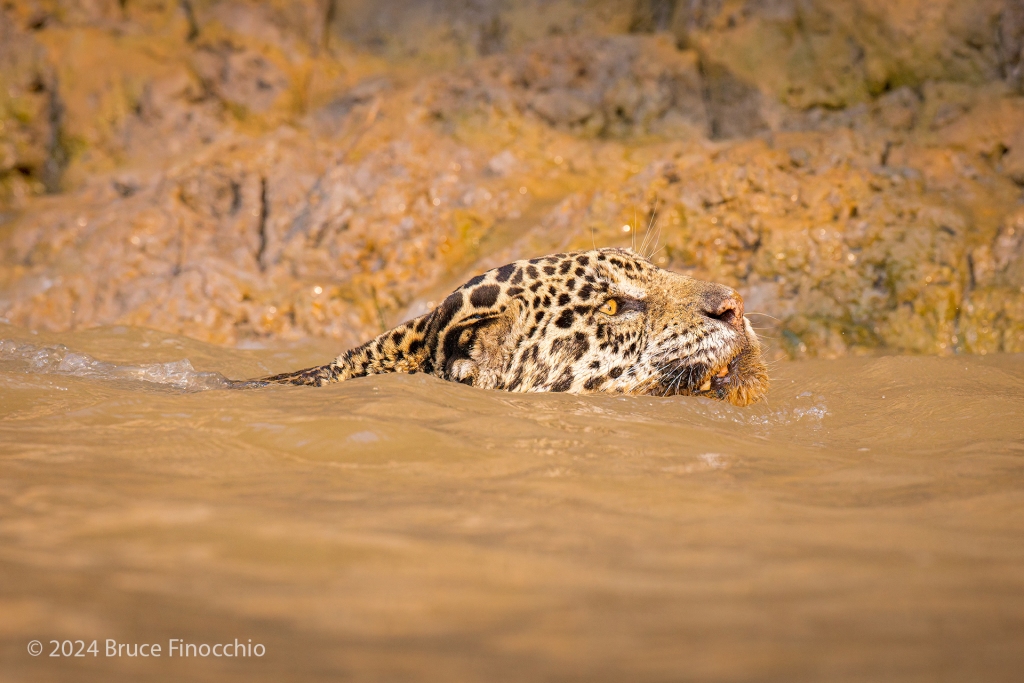
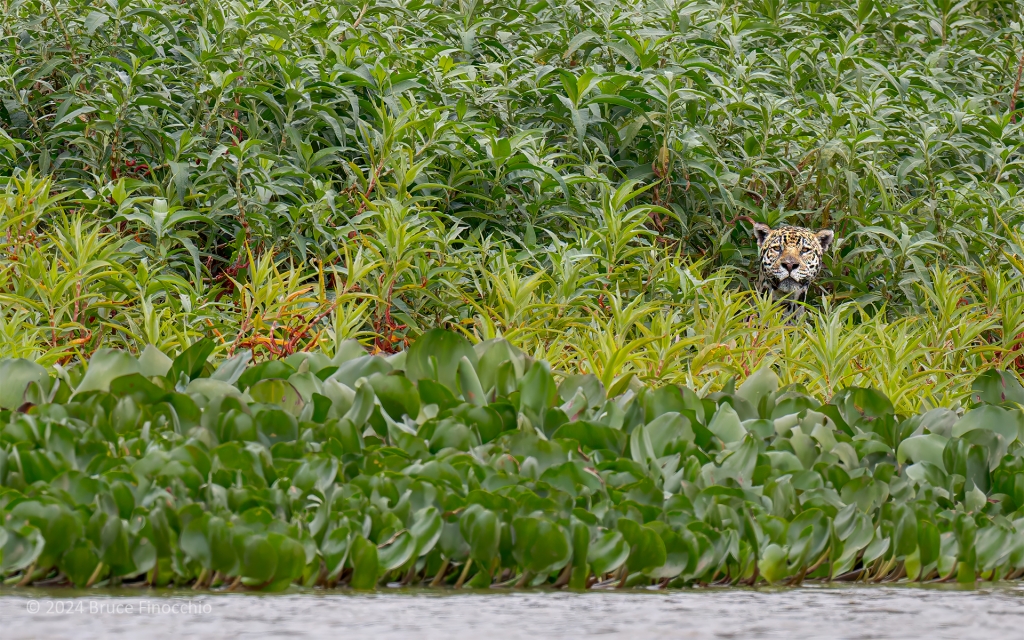
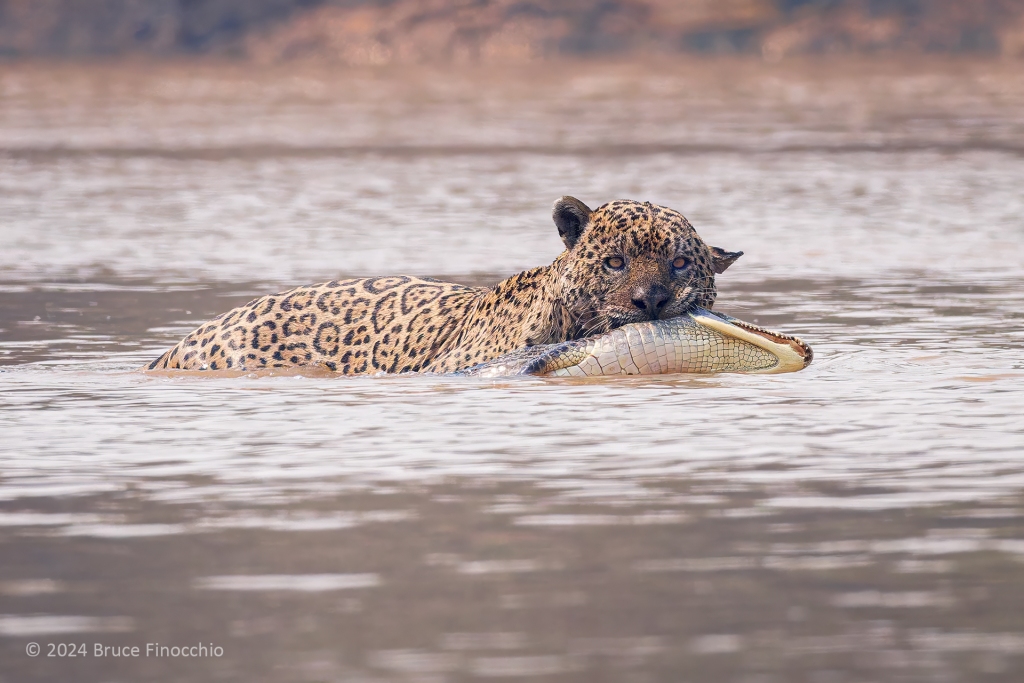
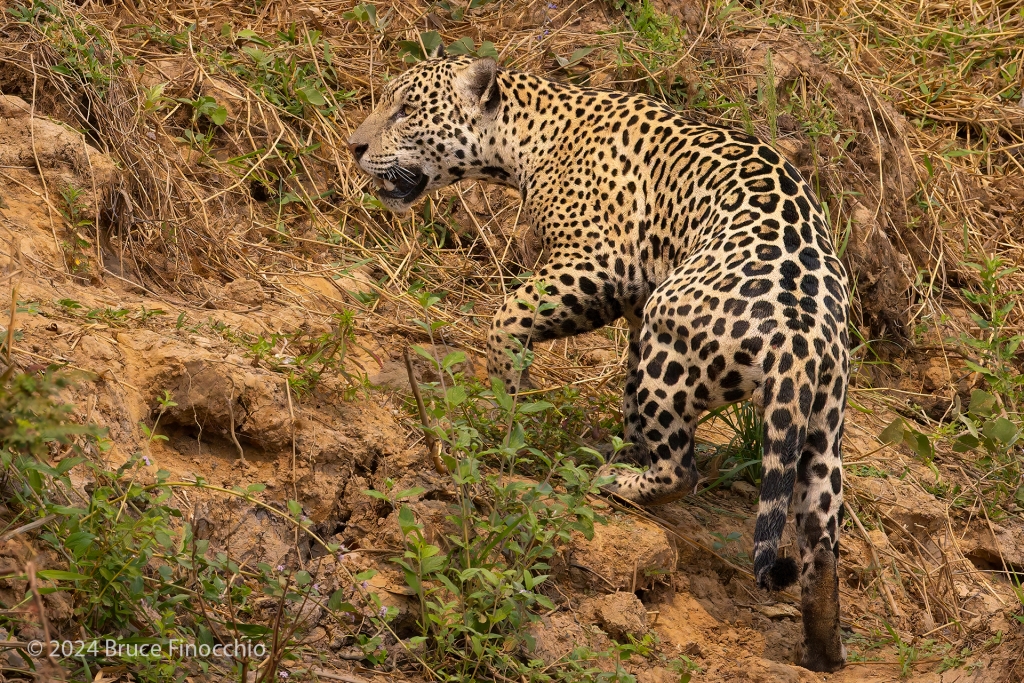
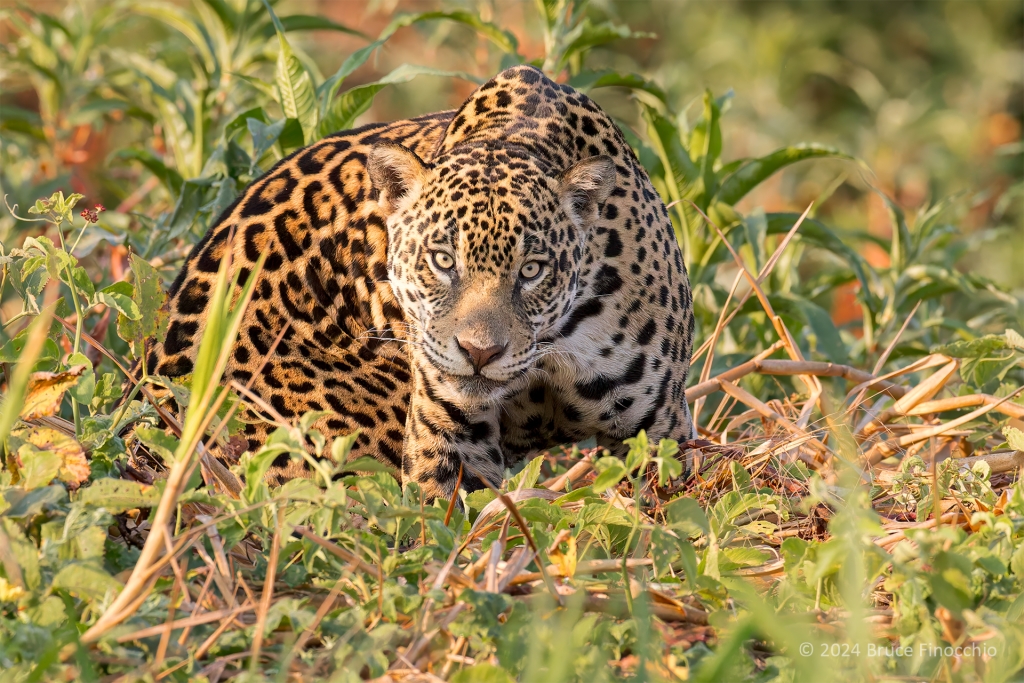
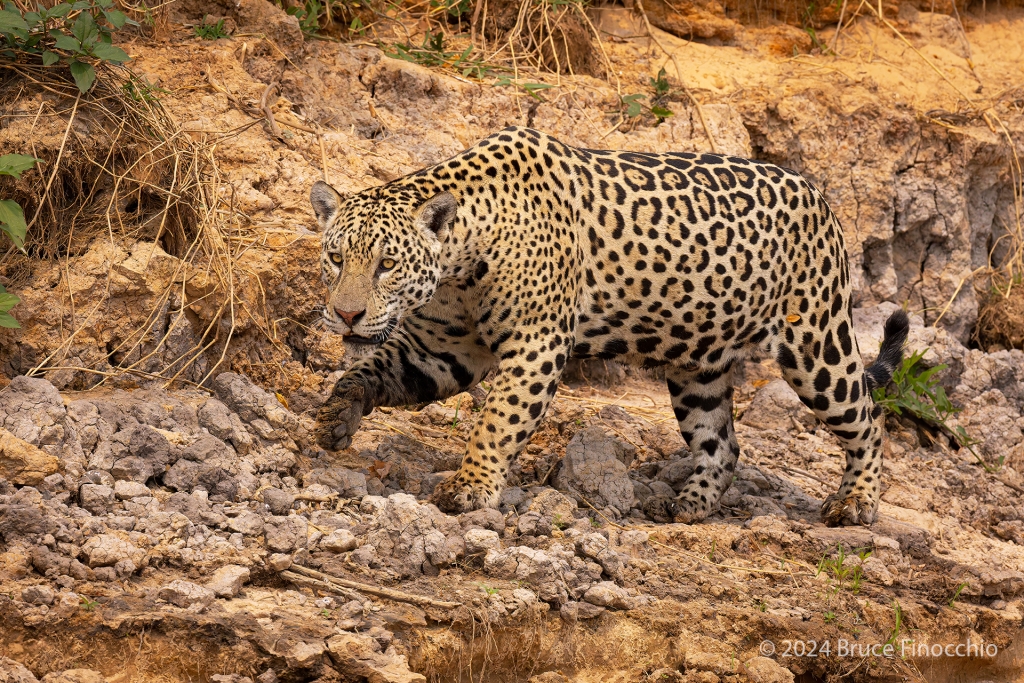
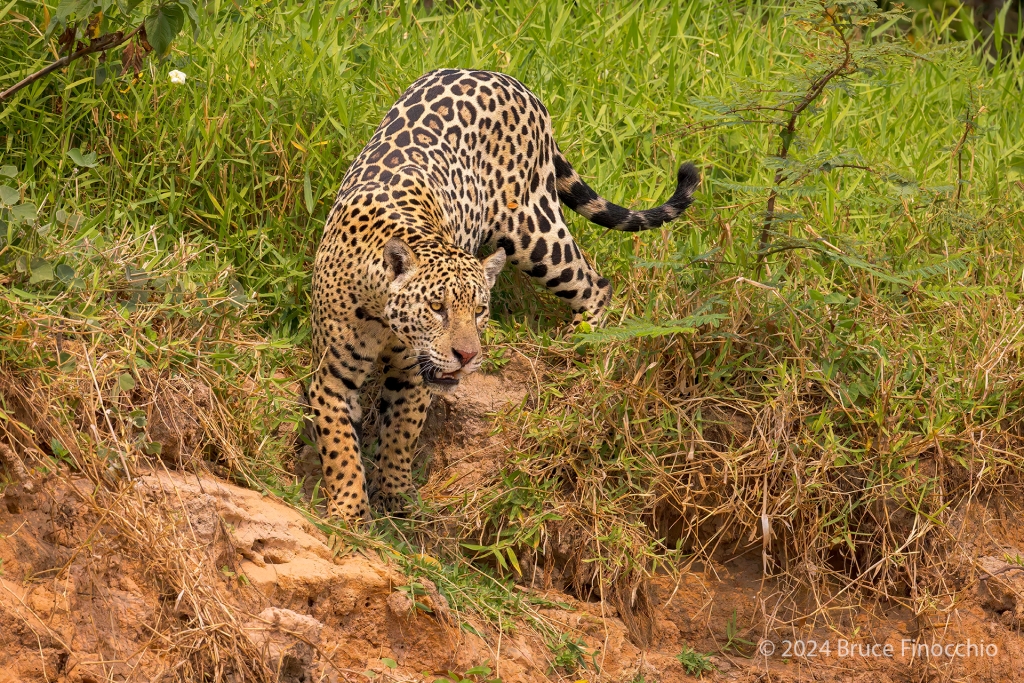
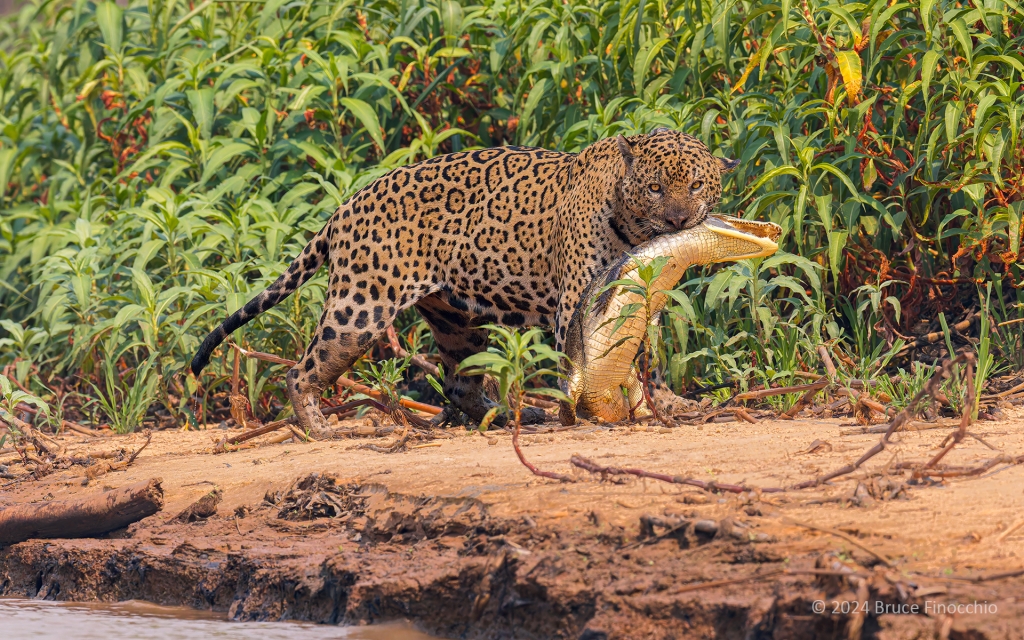
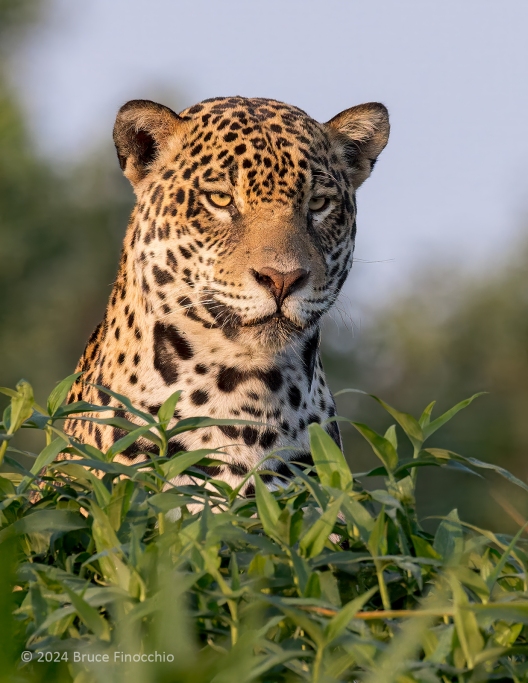
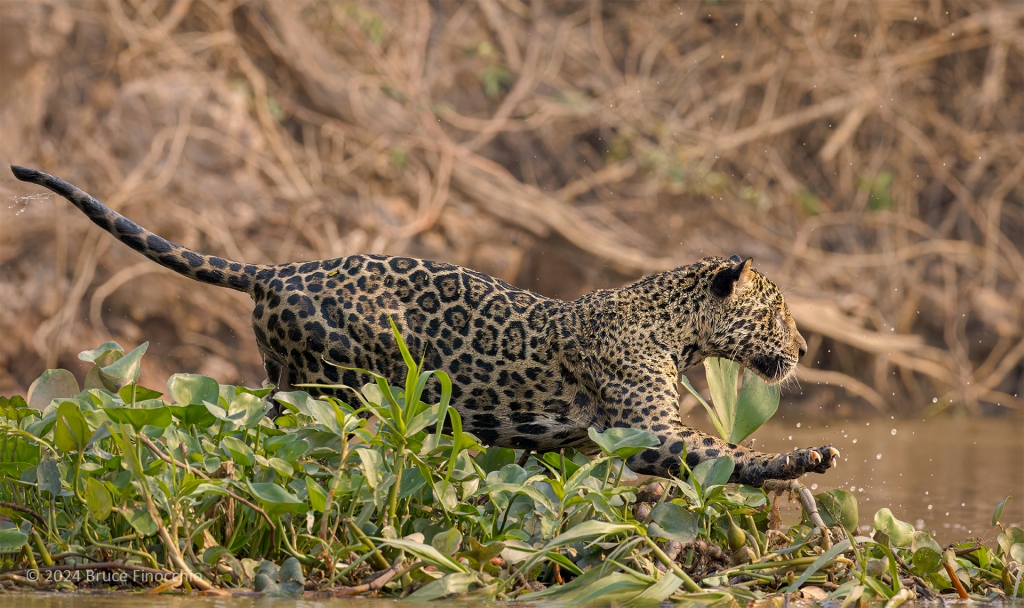
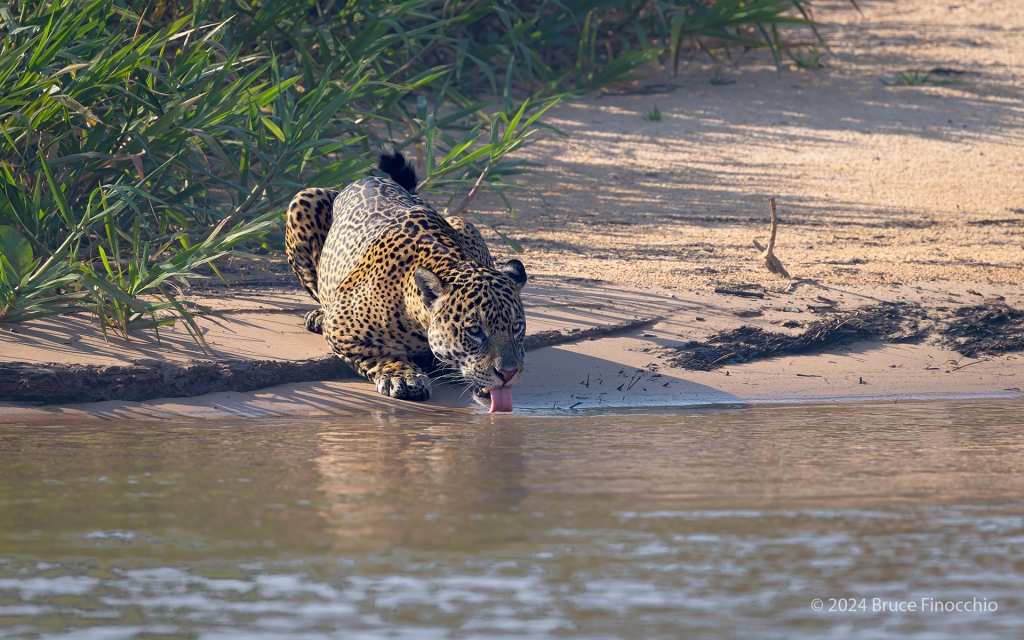
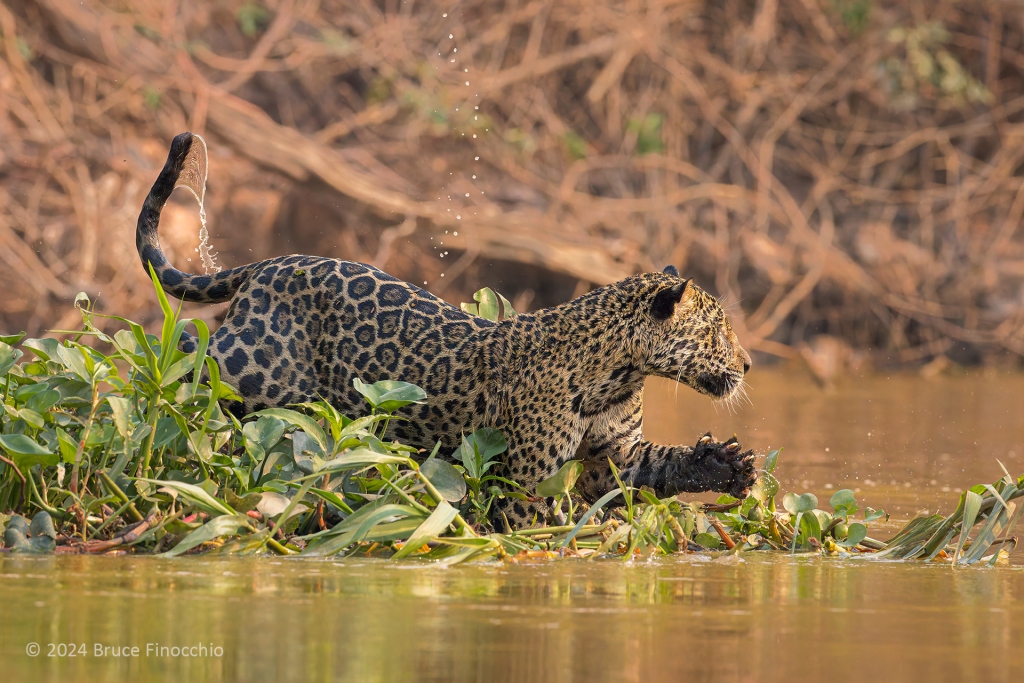
Pantanal’s August 2024 Jaguars
(To see larger images, click on one)
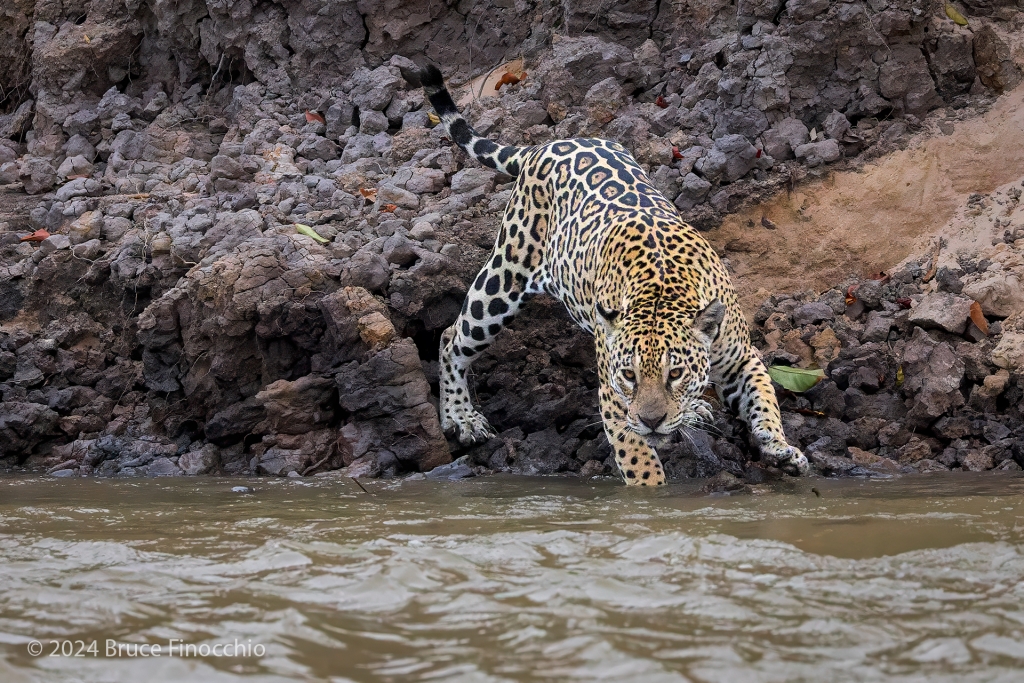
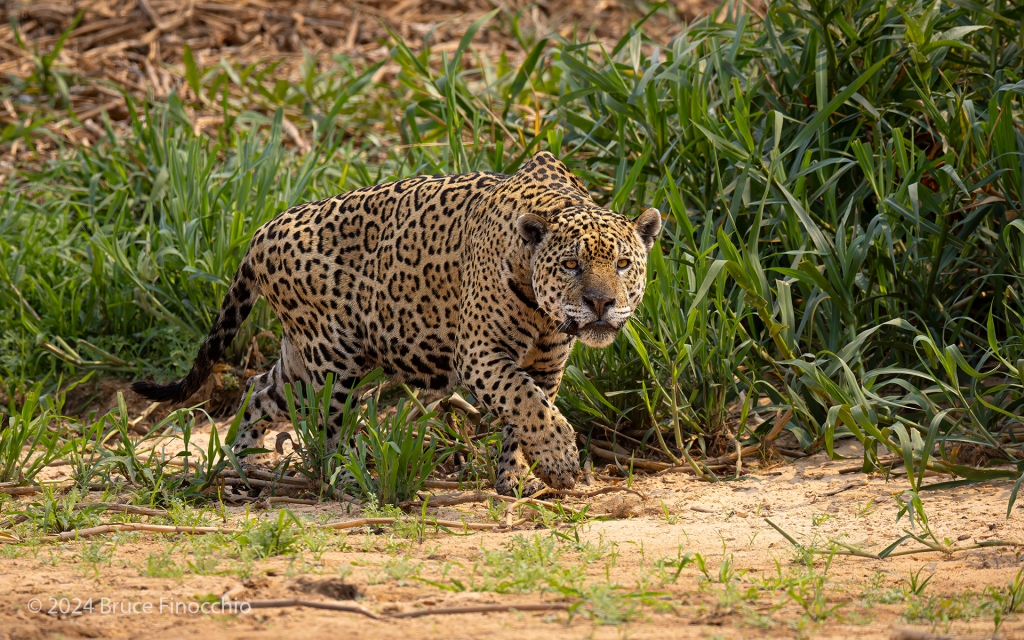
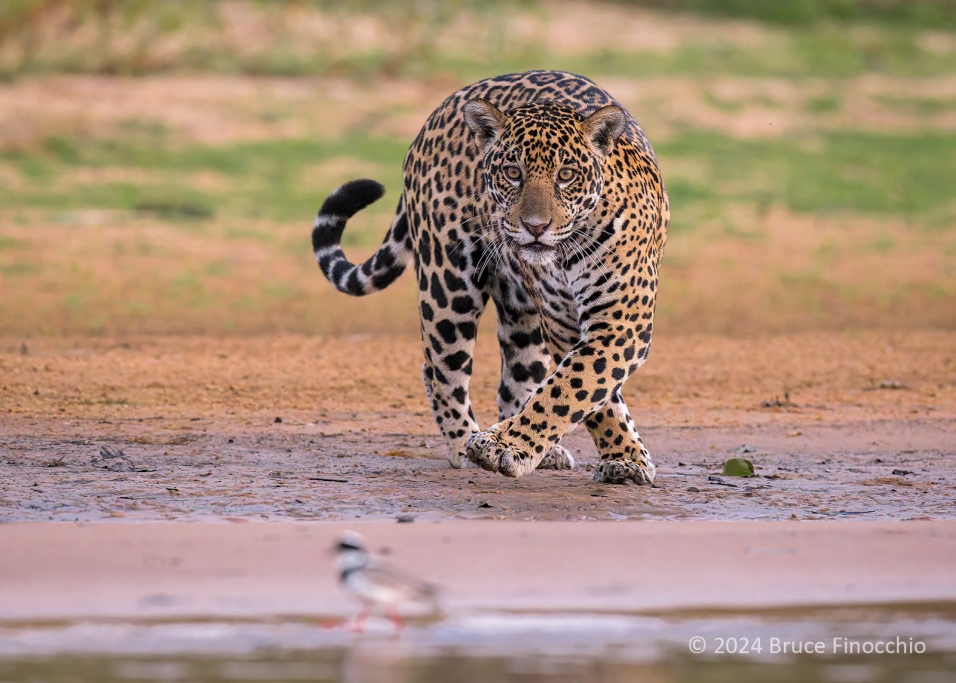
Female Jaguar’s Cat Instincts Kick In As A Pied Lapwing Walks In Front Of Her
The movement of this female jaguar is so cat-like, like domestic kittens and cats, so familiar and instinctual, ready with a desire to stalk and pounce. It’s heartwarming, reaches our souls, and brings a smile of joy to our faces.
It’s love for me because I love big cats, and my vision is to capture moments like this that tell a story and touch the viewer. It is a fleeting moment, a gesture that lasts less than a second; as a wildlife photographer, you need to be ready, focused, patient, and have an intense concentration. The more you learn about the animal, its habits, behavior, personality, and environment, the greater the anticipation of the right moment to capture the decisive moment successfully.
The challenge is substantial, but so is the reward—pure clarity resulting in true beauty.
My Pantanal trip was so wonderful in different ways, yet these special moments of connecting with an animal’s life and witnessing and observing their lives are unique; they stay with you forever! It is a humbling experience for them to allow you into their world, even for a brief time.
It’s what I love about wildlife photography, and I will do it as long as possible.
“In the eyes of a wild jaguar, we see our own emotions reflected at us—a mirror of the soul!” ~ paraphrased by Bruce Finocchio
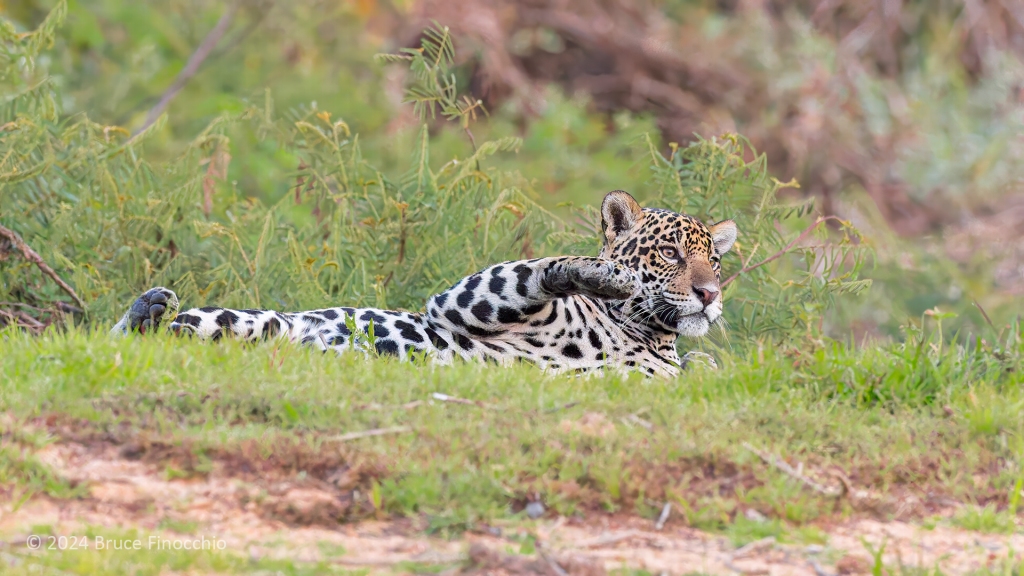
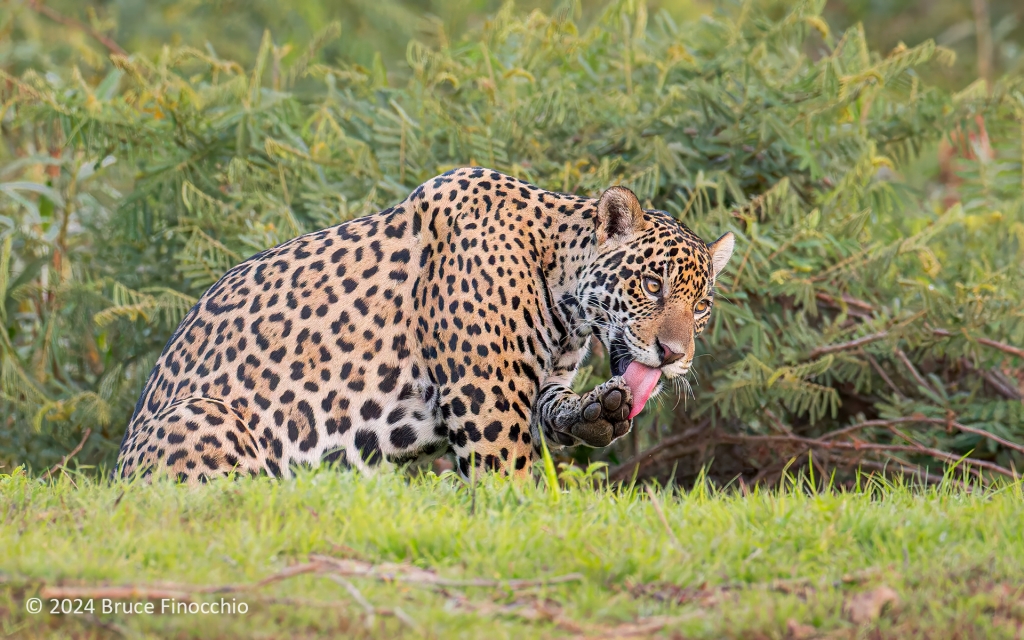
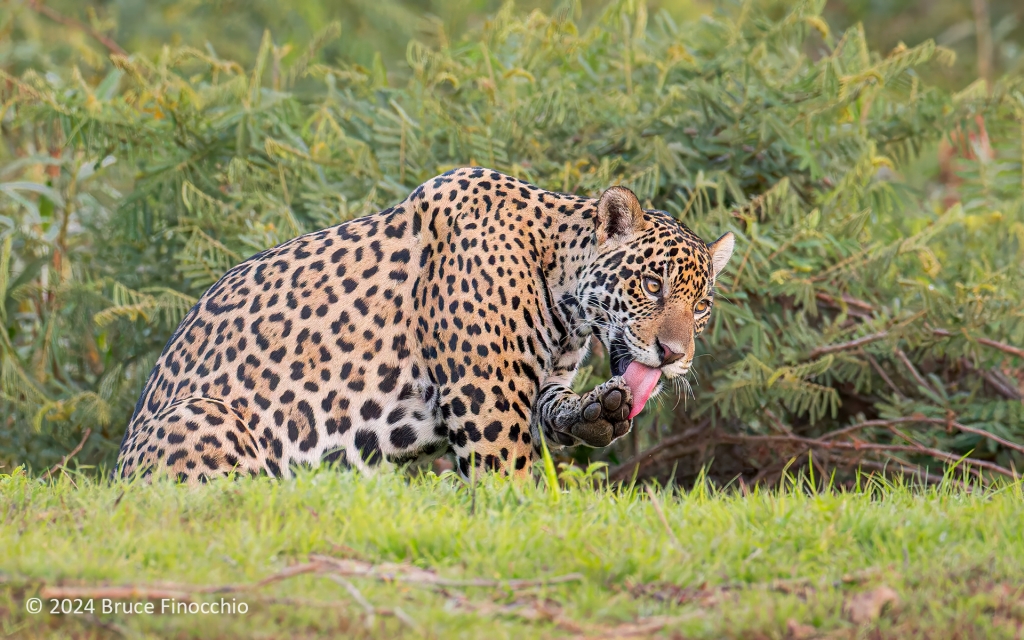
Female Jaguar Uses Long Pink Tongue To Lick Off The Top Of Her Paw
As A Female Jaguar Rolls Over, She Intently Checks Out Her Surroundings
Side Profile Portrait Of A Male Bobcat With An Intense Stare
IMAGE STORY:
During a fall early morning, in my blind, I caught some movement at the corner of the blind. I took a peek, and this Bobcat was staring at me. I lean back and reach for my 100—500 mm Canon Lens. Knowing he was too close for my 600 mm f4.0 telephoto lens, which I was using to capture small birds. I was slow and deliberate. I knew that quick movement would scare him off. With the camera ready, I slowly move him into view around the corner of the blind window. He was looking at me, about twenty feet away. I took a few safety shots with the corner of the blind in the frame. I waited for his next move. He walked toward the pond, and I got a couple of images of him in the vegetation before he reached the pond, with some black sage in the foreground. Then, he continued walking across in front of me, in front of the pond. For both images, I zoomed the lens open and down to 100 to 200 mm to include all of him in the frame.
Intentionally, I sit in the very back part of the blind, so my 600 mm lens doesn’t stick out of the blind window. So when I move the lens, the movement isn’t seen. Movement renders me visible, causing and activating the danger signal for the birds and the Bobcat.
During Early Morning, A Bobcat Walks Out Into The Open From Thick Brush
At the edge of the pond, he stopped and stared at me. It seemed like minutes; I zoomed in tight for a face portrait and took many shots, as usual. Then he walked away from me toward the brush line. Stopping again halfway there, looking back at me, more face portraits. Then, unconcerned, he walked toward the brush again and stopped to look down the field toward my cabin. Here, I switch to my 600 mm lens and capture the excellent side profile where you can see the transparent cornea of his eye. The dried chamise blossoms of the brush line created the beautiful purplish bokeh.
While the Bobcat was walking away, I saw it was a male. That’s why I have been referring to him.
Maybe five minutes at most. However, this is one of my most incredible wildlife encounters with a wild animal. These five minutes will live with me for the rest of my life. I am humbled and grateful to this Bobcat for allowing me to experience his wildness and spirit in a completely natural, fearless way—for accepting me into his world!
A short time ago, I observed many images of a very young bobcat taken at a game farm by a photographer friend. Observing them, they felt like a house cat playing with a feathered lure, which is what they were using, and the bobcat kitten was playing like a house cat.
As a comparison, I remarked to a client’s comment about my images, with this, “Yes, it was a spiritual experience. The way he moved and muscles worked, the looks he gave me, to be so close, to watch him be so aware. There was a particular and extraordinary wildness about him I will never forget.”
ABOUT:
The Bobcat, also known as the red lynx, is a medium-sized cat native to North America. It ranges from southern Canada through most of the contiguous United States to Oaxaca in Mexico. They listed it as Least Concern on the IUCN Red List since 2002 because of its wide distribution and large population.
A long-legged cat with large paws, a relatively short body, and tufted ears, the Bobcat is 60–100 cm (24–40 inches) long, excluding the 10–20-cm tail, stands 50–60 cm at the shoulder, and weighs 7–15 kg (15–33 pounds). Its fur, stiffer and less valuable than the lynx, is pale brown to reddish with black spots. The underparts are white; the tip of the tail is black above and white below.
Full Face Portrait Of A Bobcat Empathizing His Eyes
“Wild animals never kill for sport. Man is the only one to whom the torture and death of his fellow creatures is amusing in itself.” ~ James Anthony Froude
“The difference between humans and wild animals is that humans pray before they commit murder.” ~ Friedrich Durrenmatt
Portrait Of A Juvenile Bald Eagle Using Talon To Scratch Its Chin
Goal:
What’s the back story? What is the lesson learned?
For the past five years, a pair of Bald Eagles have nested in the Redwood Tree in front of Curtner Elementary School in Milpitas, California. At the school, there are three large Redwood Trees. The tall middle one is the nest three-quarters the way up. Over the years, they have built a large platform of sticks a top of some of the side branches.
First, it was Junior. Then, as the pandemic hit came Covid and Corona. Last year, they raised Pfizer, and this year this juvenile bald eagle is called Booster. There is a Facebook page dedicated to these eagles. Photographers come from all parts of California to photograph these eaglets.
Back of the school is some water treatment ponds that attract Black-crowned Night Herons, Snowy Egrets, Canadian Gooses, and an assortment of ducks. Northern Rough-winged Swallows also breed around these ponds. Near the school side is a boundary where two levies separate the treatment ponds from the school’s sports fields. Between the levy is a canal, a marshy wetlands area, and probably a former river that drains into San Francisco Bay.
A bridge crosses over the canal and goes to the levy on the other side, providing access to the water treatment ponds. There are several eucalyptus trees around the ponds, so the eagles favorite these trees, so they can watch the activity and occasionally take a fish out of the pond. They also hunt California Ground Squirrels on the levies around this area.
Now that she fledged and is flying, Booster spends a lot of time around these settlement ponds. One morning, I was across the bridge photographing Booster down by the pond’s edge. When Booster took off, she landed on the bridge. Then, this curious and adventurous eagle hopped up and flew to the bridge railing.
Here I was blocked from crossing back over the bridge and, most notably, on the wrong side of light. I was stuck on the ugly backlit side. There are fences along the levies, and the bridge is the only direct way across. A photographer on the same side as me took off and circled the ponds into the neighborhood. She went around the ball fields and the tennis courts at the back of the elementary school. She eventually returned to the bridge’s other side and began photographing Booster with the nice 9:00 am light behind her.
I stayed and tried to make a good outcome from a bad lighting situation. From my first position, I had some green deciduous leaves reflecting light off their waxy surface. With my 600 mm lens, I had these ugly shining green and white unfocused rings in my background. I didn’t want to put the blue sky behind the eagle if possible. Then, I noticed next to these green leave deciduous trees were a group of some fir or pine. I moved to my left a few steps, and these ugly green and white rings disappeared. My background was now a smooth forest green, not harsh, and with no distractions.
Now I was ready. Booster didn’t disappoint. She started scratching its chin with her mighty talon. I captured the behavior that was my goal.
Booster rolled back its nictating membrane to protect its eye and sight. This image captured the movement of the nictating membrane covering the eye. However, the nictating membrane wasn’t opaque as you usually see it.
I took hundreds of images as Booster was scratching her eye, with many horizontal frames and some verticals. I also used some exposure compensation to tone down some bright rim light from the backlight.
I created an exciting nature story image by standing put and making the best of a bad lighting situation. The moral of my story is that my friend did not see Booster scratching her chin with her talon because by the time she got to the other side of the bridge. Booster had stopped this activity; she missed this behavior. My patience and perseverance paid off.
Equipment:
Canon 5D camera body, with a 600 mm f4.0 IS lens and a 1.4x III teleconverter, at ISO 2500, 1/1600 sec at f5.6, Evaluative Metering, Aperture Priority, on a 1325G Gitzo trip using a Wimberley Tripod II
Technical Information:
Using the above tripod, selected Canon’s CR3 raw file format, using Canon’s animal eye-tracking autofocusing. And with Case #2, the autofocus tracking sensitivity is set at zero, with Accel./Decel set to minus one.
Processing:
I selected the 5 x 4 framing to eliminate extra space on the left side of the image and better balance the subject within the frame. I used digital dodging techniques to reduce the bright rim highlight areas on the head feathers and the talon’s bright edges. I used my standard Topaz DeNoise application set on the motion blur mode; applied one of Topaz sharpening modes on a different Photoshop layer, masking the background or the subject as appropriate.
I was late… Sunday at the Post Office, there was even a line at the self-service postage machine as I tried to mail out my Costa Rica Hummingbird calendars to my nieces. This put me behind schedule and meant that there was not much light left in the day to get from the East Bay to Coyote Point. When I got there after 4:00 PM, I found that it was extremely low tide. I was initially disappointed because there was no water for ducks or shorebirds.
Knowing I only had about 45 minutes of beautiful light at best, I let go of my feelings of disappointment and just decide to see what nature had to offer. Out in the mudflats, there were two Snowy Egrets in the small ponds left by the receding tide. As I watched, I noticed that there were feeding, and in a fleeting moment, this Snowy Egret pulled a tube worm out of the mud from the bottom of one of these small ponds.
If I hadn’t set aside my preconceived thoughts of photographing ducks and shorebirds, I wouldn’t have been open to what nature had in store for me. I also could have taken one look and said to myself, nothing here, not much time left of extraordinary light, so I could have left and gone home.
If I did listen to all these voices of doubt, I would not have gotten this incredible image.
I have always wanted to go see the Ancient Bristlecone Pines. Seeing other photographer’s images from there only heighten my desire to do so. Only one little item held me back; it’s the fear of heights. As a young boy, I would always close my eyes and pray, as my parents would drive across the Golden Gate Bridge. Mountain roads with steep drop-offs would especially terrify me.
One time in the middle of the night my two amigos and I, in separate cars, were heading for Mono Lake on the dreaded Tioga Pass road. I was behind them as we started down the steep backside toward Lee Vining. Soon they were out of sight as we headed down. I, on the other hand, was slowly hugging the inside part of the road, the part that normally automobiles use for going up the pass to Yosemite National Park. At 1:30 am, I didn’t think anyone would mind me using the wrong side of the road. Well, I let a big breath out, as I got down to the Mobil Gas Station parking lot near the bottom. As I got out of the car, my two friends mercilessly teased me about making them wait for me. “Where have you been”, they demanded!
I feared the road to the Ancient Bristlecone Forest would be just like the Tioga Pass road down to Highway 395. In my mind, I imagined it to be so. This always held me back. Finally, last week, with a little trepidation, I push these fears aside. Every time I would feel the urge to turnaround and go back, I would tell myself to relax and say to myself that it can be all that bad.
Full Moon Over Ancient Bristlecone Pine
When I got to the Schulman Grove Visitor’s Center in midday. I bought a nice green sweatshirt with an ancient Bristlecone Pine emblazoned on the front as to always remind me I can indeed conquer my fear of heights and steep mountain roads with big drop-offs.
I climbed up the Discovery Trail looking for a particular pictorial Bristlecone Pine. As it happened, I found the one stitched on to my sweatshirt just like the park service employee at the visitor center said I would. However, I had a problem; it was four o’clock in the afternoon. I had over three hours to kill before the stars would come out and show themselves in the sky.
To idle the time away, I sat down and watched a few cars down below me, coming back and going to the other Bristlecone Pine Grove—the Patriarch Grove. I also spend some time examining the intriguing small little “purple” pine cones. Mostly, I would walk back and forth along a small stretch of the trail underneath this giant Bristlecone Pine. Other times, I would take some images of the late sunlight striking its hard-dense branches that reach for the sky.
Finally, it was a night, a few days before the full moon. I was a bit disappointed because there was so much light; I wouldn’t be able to capture a starry sky behind the Bristlecone Pine.
At home many days later, after reviewing my images, I am proud and happy. Proud that I conquered my fears, and happy with the image I created. I realized my dream; I “didn’t let my music die within me”. This beautiful image will always be a testament to my perseverance.
What do you think? Does this image stir your soul like it does mine?
Supermassive Black Hole Within The Sagittarius A Galaxy
Supermassive Black Hole Within The Sagittarius A Galaxy
The base image or original image is a deep dark red bearded iris from my mom’s garden. When my mom was still alive, I used to take a lot of images of her bearded irises. They are a very deep flower, and I used to have to set my aperture to f32 or f64 to get the back parts of the flower somewhat sharp. If done properly, the macro images resemble a very colorful cathedral.
For camera club competition, I would wait to the last minute to come up with a title. I would insist that the image title had to be the real name of the iris. My mom and I would pore over her iris catalogs looking for the right iris. This would exasperate her, especially the time crunch of my waiting until the last moment. These were the days of slide shooting for me, and I would write the title information on the slide then dash off to the camera club meeting.
Looking back, I feel bad that I put my mom through this every time I entered an iris image. She could have refused to help, but her character shined true and her love for me was always there. I think she would be happy and proud of me with the creative art I created from an image of one of her irises.
The technique is from a tech tip column from a PSA (Photographic Society of America) magazine. “Put a little twirl into your work”, was the title of the article. I look for colorful graphic images that have a significant negative space. Then, I follow this technique of creating lines, blurring them, and then using Photoshop’s twirl filter, making a twirl with a positive setting, then on another layer using the opposite twirl with a negative setting.
For me, these images remind me of deep space. Thus, my space portfolio was born. With other base images, I have created a group of a dozen or so of these types of images. One base image is an image of the Palace of Fine Arts in San Francisco, another is orange wet sand from a beach at sunset in Santa Cruz. I never know exactly what I get when I play with this technique, but that’s why it is so fun.
In memory of my mom, Lillian A Finocchio, I dedicate this image to her. It is like she is still here with me. We were so close. I miss you so much; I’ll always love you, mom!
Metal Print of this Image is now showing at the Avenue 25 Gallery through January 18, 2019. 32 West 25th Avenue, 2nd Floor San Mateo, CA 94403, Open: Monday to Friday, 8:30am to 5:00pm